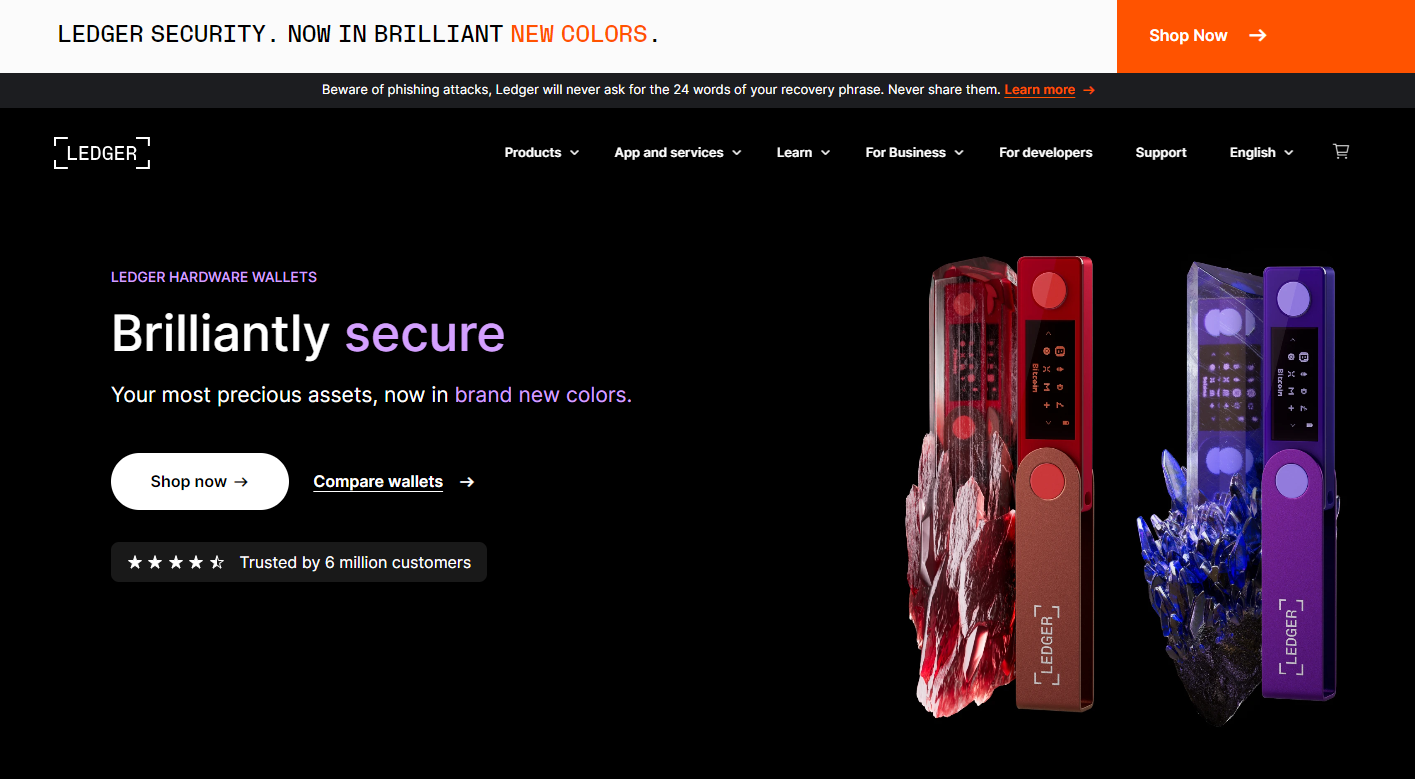
As cryptocurrency adoption continues to grow, protecting digital assets has become a top priority for investors and users worldwide. Cybercrime, phishing attacks, and exchange hacks highlight the importance of using secure storage solutions. Ledger has emerged as one of the most reliable names in crypto security, offering hardware wallets that allow users to maintain full control over their funds. Understanding the Ledger login process is essential to safely access and manage your cryptocurrency holdings.
This guide provides a detailed explanation of Ledger login, how it works, how to access Ledger Live, common login issues, and best security practices for long-term asset protection.
Ledger is a well-known provider of hardware wallets designed to store cryptocurrency private keys offline. Unlike online wallets or exchange platforms, Ledger devices protect assets by keeping sensitive information isolated from internet-connected systems.
Popular Ledger devices include:
Ledger wallets are used together with Ledger Live, an application that allows users to manage crypto balances, send and receive funds, install blockchain apps, and interact with decentralized platforms.
Ledger login does not function like traditional logins used by websites or exchanges. There is no username, email, or password system. Instead, Ledger uses a hardware-based authentication model.
Ledger login involves:
This approach ensures your private keys never leave the hardware wallet and are never stored on servers or browsers.
The Ledger login process is simple but highly secure. Here’s how it works:
This system prevents unauthorized access even if your computer or smartphone is compromised.
Ledger Live does not require a traditional account login. There is:
Ledger Live acts only as an interface. The Ledger device itself serves as the login key, making access impossible without physical possession of the wallet.
If you’re setting up Ledger for the first time, the login process begins during initialization.
You will be asked to:
Download Ledger Live from the official Ledger website for desktop or mobile.
Connect your Ledger wallet and follow the instructions to verify authenticity.
After setup, you can log in anytime by connecting your device and entering your PIN.
Ledger supports mobile access through Ledger Live on smartphones.
Key points:
Mobile login provides convenience without compromising security.
Once logged in, users can manage thousands of cryptocurrencies, including:
Each blockchain requires a dedicated app installed on the Ledger device.
This may be due to outdated software or faulty cables.
Fix:
Update Ledger Live, try another USB cable, and restart the device.
Multiple wrong attempts will reset the device.
Fix:
Restore the wallet using your 24-word recovery phrase.
Common with mobile connections.
Fix:
Reset Bluetooth pairing and update device firmware.
PIN codes cannot be recovered.
Fix:
Reset the device and restore using the recovery phrase.
The 24-word recovery phrase is the only way to regain access if your device is lost or reset.
Important rules:
Anyone with this phrase can access your funds, so store it securely offline.
Ledger login differs significantly from exchange-based logins.
FeatureLedgerExchangesKey ownershipUserPlatformLogin methodHardware PINEmail & passwordHack exposureVery lowHighAsset controlFullLimited
Ledger login offers true self-custody.
To stay protected:
Following these steps greatly reduces security risks.
Ledger can be connected to wallets like MetaMask to access decentralized applications.
Process:
This keeps private keys offline while interacting with DeFi platforms.
Ledger does not require personal information to log in. However, blockchain transactions are publicly visible. Ledger improves security but does not provide anonymity by itself.
Despite these drawbacks, Ledger remains one of the safest crypto storage solutions available.
Ledger login offers a powerful and secure way to access cryptocurrency without relying on centralized systems. By using hardware-based authentication, Ledger eliminates many of the risks associated with online wallets and exchange platforms.
For anyone serious about protecting their digital assets, understanding and properly using Ledger login is a critical step toward long-term crypto security. When used correctly, Ledger provides peace of mind, ownership, and unmatched protection in an increasingly risky digital environment.